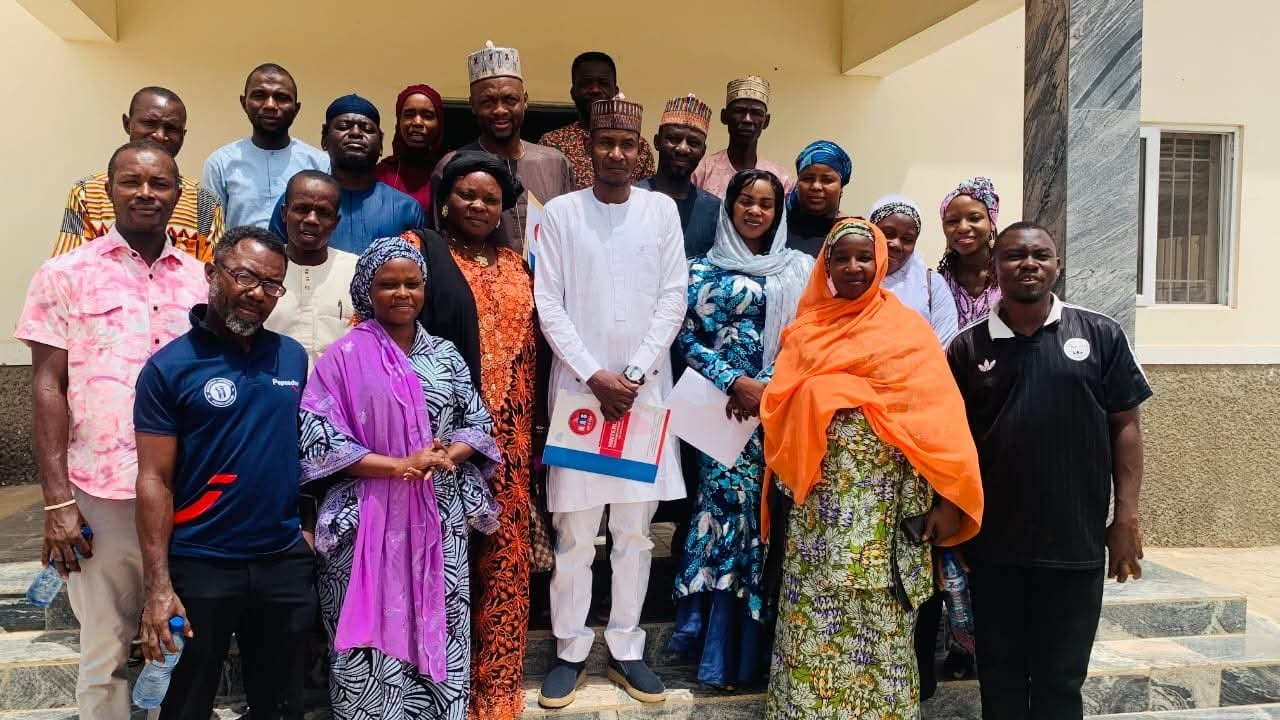
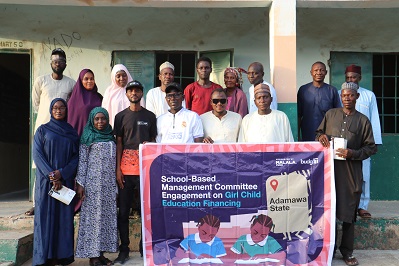
BudgIT Foundation, in partnership with the Malala Fund and through its education financing advocacy initiatives, has engaged community stakeholders in Yola, Adamawa State, on strategies to strengthen girl-child education, improve school governance, and promote transparency and accountability in education financing.
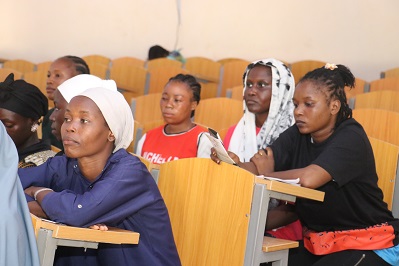
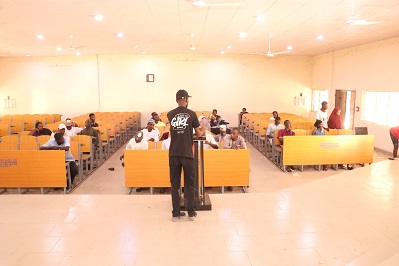
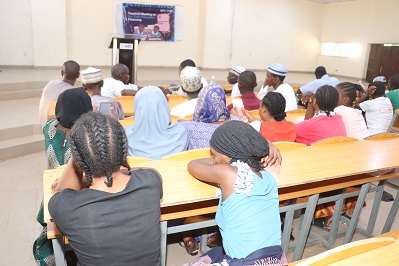
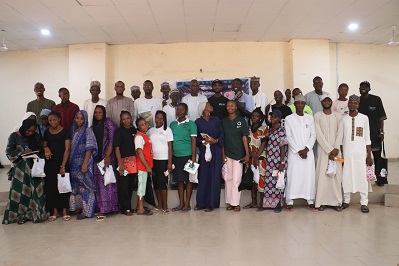
The engagements, which included a Town Hall Meeting At the ENGLISH HALL on Strengthening Girl-Child Education Financing and a School-Based Management Committee (SBMC) meeting at Aliyu Musdafa Primary School in Yola South Local Government Area on 17 September 2026, provided platforms for stakeholders to examine the barriers preventing girls from accessing, remaining in, and completing their education.
Participants included traditional and religious leaders, parents, teachers, education stakeholders, Student Union Government representatives, community influencers, media practitioners, and other community members.
The meetings emphasised the importance of collective action, adequate public investment, community participation, and effective accountability mechanisms in improving educational opportunities for girls across Adamawa State.
Stakeholders Identify Major Barriers to Girls' Education
During the discussions, participants identified poverty, inadequate education financing, corruption and accountability gaps, early and forced marriage, teenage pregnancy, harmful cultural practices, gender inequality, insecurity, and limited parental awareness as significant challenges affecting girls' education.
Participants observed that economic hardship prevents some families from meeting education-related expenses, while insufficient learning materials, inadequate school infrastructure, and unconducive learning environments can negatively affect attendance, participation, and academic performance.
The lack of adequate water, sanitation and hygiene (WASH) facilities was also highlighted as a concern, particularly regarding girls' comfort, dignity, and continued participation in school.
Long distances to educational facilities and insecurity were identified as additional barriers, especially for girls who face risks while travelling to and from school.
Stakeholders stressed that addressing these challenges requires interventions that go beyond encouraging school enrolment. They called for sustained investment in education, improved school facilities, targeted support for vulnerable girls, and stronger community efforts to challenge harmful practices that disrupt girls' education.
BudgIT Emphasises Accountability and Community Participation
In his keynote address at the SBMC engagement, the BudgIT State Officer highlighted the importance of transparent education financing, effective utilisation of public resources, and active community participation in school governance.
The address underscored that improving access to quality education requires adequate funding, functional infrastructure, sufficient learning materials, and safe and inclusive learning environments.
School-Based Management Committees were encouraged to strengthen their roles in school planning, identifying educational needs, monitoring interventions, engaging parents, and communicating service-delivery gaps to relevant authorities.
Participants were also encouraged to take greater ownership of education-related challenges within their communities and work collaboratively with school administrators, teachers, parents, traditional leaders, and government institutions to identify practical solutions.
The engagements reinforced the principle that accountability in education financing should involve not only government institutions but also the communities that depend on public education services.
Group Discussions Generate Community-Based Recommendations
As part of the SBMC engagement, participants took part in group discussions to examine the challenges affecting girls' education and propose practical interventions.
The discussions focused on improving parental involvement, strengthening community sensitisation, supporting girls from economically disadvantaged households, promoting accountability in education financing, and improving collaboration between schools and communities.
Group leaders subsequently presented their findings and recommendations to the wider audience, providing an opportunity for participants to exchange ideas and consider areas for collective action.
Among the recommendations were intensified awareness campaigns on the importance of educating girls, stronger collaboration between parents and teachers, and increased engagement of traditional and religious leaders in discouraging early marriage and other harmful practices that interrupt schooling.
Participants also called for improved school infrastructure, better access to learning materials, support for vulnerable girls, and stronger monitoring of education-related spending.
They emphasised that SBMCs and community stakeholders should engage relevant authorities on school needs, budgetary priorities, and the utilisation of resources allocated to education.
Town Hall Meeting Calls for Increased Investment in Girls' Education
The broader Town Hall Meeting on Strengthening Girl-Child Education Financing provided an opportunity for stakeholders to examine the financial, social, cultural, and institutional factors affecting girls' educational opportunities in Adamawa State.
Participants emphasised the need for government to prioritise girl-child education in budgetary allocations and ensure that available resources address the specific needs of girls, particularly those from vulnerable and underserved communities.
The meeting also highlighted opportunities for mobilising additional resources through partnerships involving civil society organisations, philanthropists, development partners, private-sector organisations, parents, and community leaders.
Stakeholders stressed that sustainable financing requires transparent resource man
By: sadmohd25@gmail.com | Published: November 4, 2026


.jpg "TOWNHALMUBISOUTH (21)")